What You'll Learn
- How organic certification opens market access even for a small brewery.
- Why building room for ingredient or supplier substitution into product profiles protects you from supply chain gaps.
- How a traceback follows a product from its lot number back to the ingredients you ordered.
- What compliance covers beyond ingredients, from reporting cleaners and sanitizers to pest control to facility maps.
- How a certifier's handler Organic System Plan guides what information you submit and documents you keep.
Watch Time: 10:40
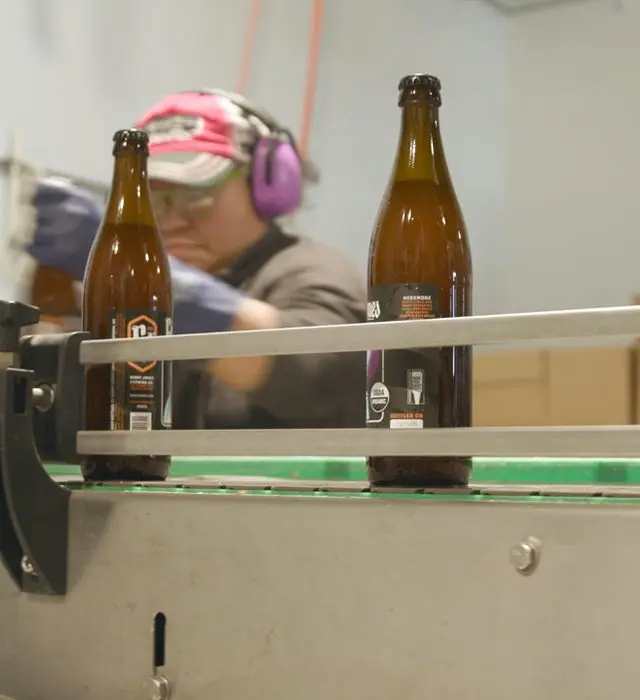
This video profiles Giant Jones Brewing, a small certified organic brewery in Madison, Wisconsin, and one of only about 15 certified organic breweries in the country. Co-owner and brewer Jessica Jones explains that everything in her life was already organic except her beer, so she set out to change that. Certification has been a real business advantage. It got the brewery into Whole Foods for the Wisconsin and Chicago markets, and the strategy of brewing strong, distinctive beers helps absorb the cost of organic ingredients since customers will pay a premium for them. Jones is candid that getting certified was one of the hardest bureaucratic tasks of her life, front-loaded with work and documentation, but that once you’re there it’s easy to maintain and opens up a whole new world.
The video is a clear tour of what organic compliance looks like for a processor. Supplier vetting has gotten easier with the Organic Integrity Database, and Jones stresses building room in your product profiles for substitutions when supply chains falter. Her certifier is the first call when issues arise, and maintaining communication has made certification easier. The core of any inspection is the traceback, which follows a product from its lot number, in Giant Jones’s case the packaging date on the keg collar or label, back through the brew log to the ingredients used, received, and ordered, ending at the last certified organic handler to touch it. She also walks through the other pillars of compliance, including reporting all onsite materials like the propylene glycol in her chiller, following pest control requirements, maintaining a facilities map that shows how organic product flows into, through, and out of the building, and getting approval for cleaning chemicals and processes with the certifier.
A recurring theme is that the discipline of certification makes her a better operator. Jones notes she wouldn’t have written her SOPs so well if she hadn’t been required to file them with her certifier, and that the restrictions of organic actually push her to be more creative. Her recordkeeping evolved into a hybrid of what she wants to track as a brewer and what certification requires, anchored by her certifier’s handler organic system plan, which helps trigger the supporting documents she needs. She explains that product profile formulas must reach 95% organic content excluding water and salt, and closes on why it’s worth it, framing organic certification as work done today to make the world better in the future.
About the Featured Operation
Giant Jones Brewing Company
- Organic Brewery
- Madison, WI
- 4 Employees
- Certified Organic since 2019
A certified organic brewery run by women, specializing in strong beer styles such as barley wines and Belgian tripels, sold in returnable bottles. The focus on big beers lets it absorb the cost of organic ingredients. Its motivation is rooted in community, sustainability, and a belief in organic agriculture’s benefits for the environment.