
What You'll Learn
- What "commingling" means and why preventing it matters
- How handlers use dedicated space and clear visual cues to keep organic and nonorganic product separate
- When a documented cleanout or purge is required, how certifier permission fits in, and what methods handlers use
- How documentation and staff training turn these practices into a system that actually holds up day to day
Watch Time: 15:49
Handling certified organic and conventional product in the same facility is a split operation, and it requires handlers to do three things: prevent organic and conventional from mixing (commingling), keep organic product free of prohibited substances, and document both. This video brings together grain millers, coffee roasters, cheesemakers, and meat processors to show how they meet those requirements day to day. Listing the methods used to avoid commingling is a core part of any organic system plan.
Most of the work comes down to separation, timing, and cleaning. Handlers dedicate space to organic product and mark it with clear visual cues: green tags, color-coded bins, magnetic tank placards, and “organic only” signage, so staff can identify it at a glance, and they store organic above conventional so leaks can’t contaminate it. Many run organic first (first roast, first animal, or first through the line) to avoid a cleanout altogether. Switching from conventional to organic on shared equipment requires a documented cleanout or purge, done with certifier permission; methods range from wiping carts with isopropyl alcohol to running grain purges well beyond the minimum to be certain the system is clear.
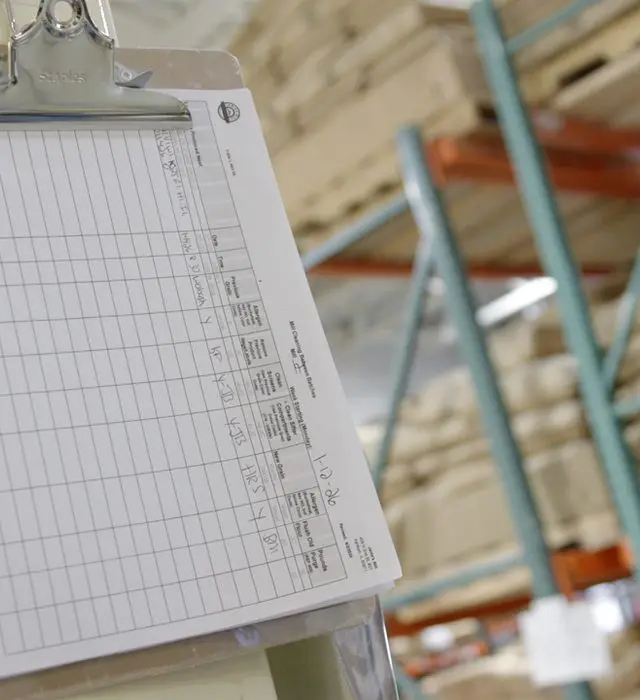
Two themes tie it together: documentation and people. Cleaning logs are matched to production logs, and wash records track each tank and truck. If you wonder whether to write something down, write it down. Some handlers simplify by making everything organic-compliant, using the same approved salt, enzymes, and sanitizers on both lines so the only difference is the raw ingredient. But the methods only work if staff follow them, so handlers train employees on what and how much to purge and set the day’s plan each morning. As one handler puts it, make compliance easy and clear enough that your team will actually do it.
About the Featured Operations
Clarkson Grain
- Organic Grain Aggregator and Distributor
- Cerro Gordo, IL
- Certified Organic since 2002
A food-grade specialty grain company that connects farmers who will raise something specific with the buyers who need it: makers of food, ingredients, cosmetics, and pharmaceuticals. It handles soybeans prized for tofu, miso, and tempeh, corn for milling, and lecithin standardized to a client’s specifications, shortening the supply chain between grower and end user.
Cedar Grove Cheese
- Organic Cheese Maker
- Plain, WI
- 28 Employees
- Certified Organic since 1995
A family-owned cheese manufacturer producing both conventional and organic cheeses, including cow, sheep, and goat varieties. Small enough to design productions directly to a customer’s specifications, it makes specialty cheeses and produces in bulk for other companies to label and market.
Raven’s Brew
- Coffee Roaster, Wholesale & Retail
- Tumwater, WA
- Certified Organic since 2002
A small family-owned coffee roaster producing organic and conventional blends, serving grocery stores, cafes, service organizations, and direct-to-consumer customers online. It grew customer by customer from a small operation into a roastery that emphasizes strong relationships with its importers and green-coffee suppliers.
Sailer’s Food Market & Meat Processing
- Meat Processor & Butcher
- Elmwood, WI
- 28 Employees
- Certified Organic since 2016
A meat operation offering both slaughter and processing services for organic and conventional product. It handles animals from intake through cutting, cooking, and packaging, and also hauls livestock for customers who lack their own transport, caring for animals in its possession as they would be on the farm.
Janie’s Mill
- Organic Stone-milled Flour
- Ashkum, IL
- 28 Employees
- Certified Organic since 2017
A stone mill producing flours from grain grown on partner farms and its own fields, with quality as its stated first priority. It sells wholesale to bakeries and retail to home bakers. The operation grew from a farming family’s interest in connecting good growers, careful milling, and bakers who value the resulting product.
Sauk Farm LLC
- Organic Fruit Grower, Packer, & Aggregator
- Concrete, WA
- Certified Organic since 2016
A family farm growing organic apples and plums and processing them into juice, dried fruit, and fruit powders. Its philosophy is to do the work in the field and let the fruit speak for itself, avoiding additives and preservatives. It also custom-processes and co-packs for other farms and food businesses, valuing the diversification that brings.
The Good Acre
- Nonprofit Food Hub & Produce Aggregator
- Falcon Heights, MN
- Certified Organic since 2016
A nonprofit food hub that aggregates produce from more than two hundred vendors and distributes to schools, campuses, hunger-relief programs, and CSA members. What distinguishes it is a grower-support wing that helps farmers, including those facing language or land-access barriers, move up into wholesale sales.